Who are we?
Company Name:Hainan Guanghua
Founded:1999.01.01
Location:Tianya Haijiao
What do we have?
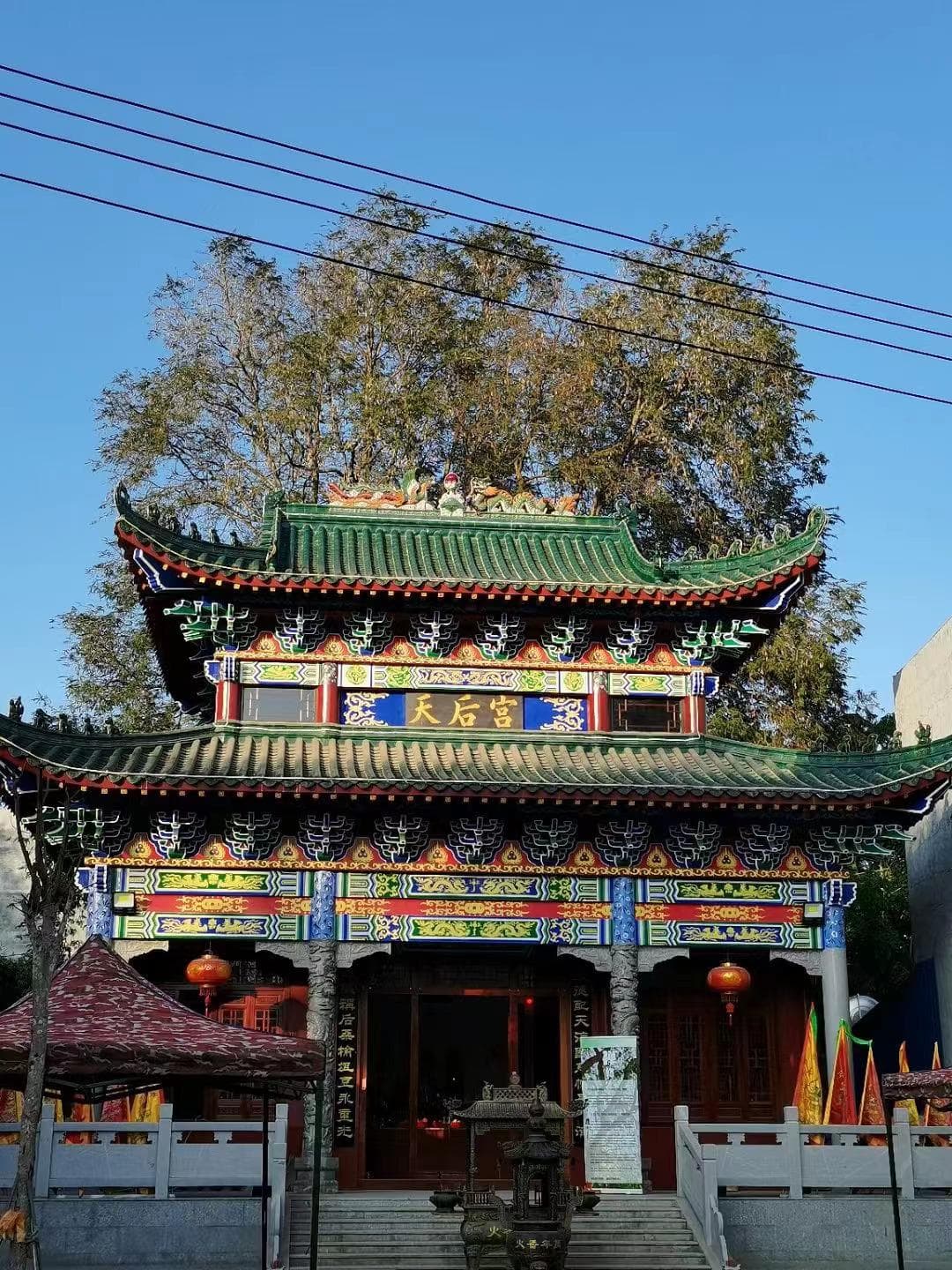
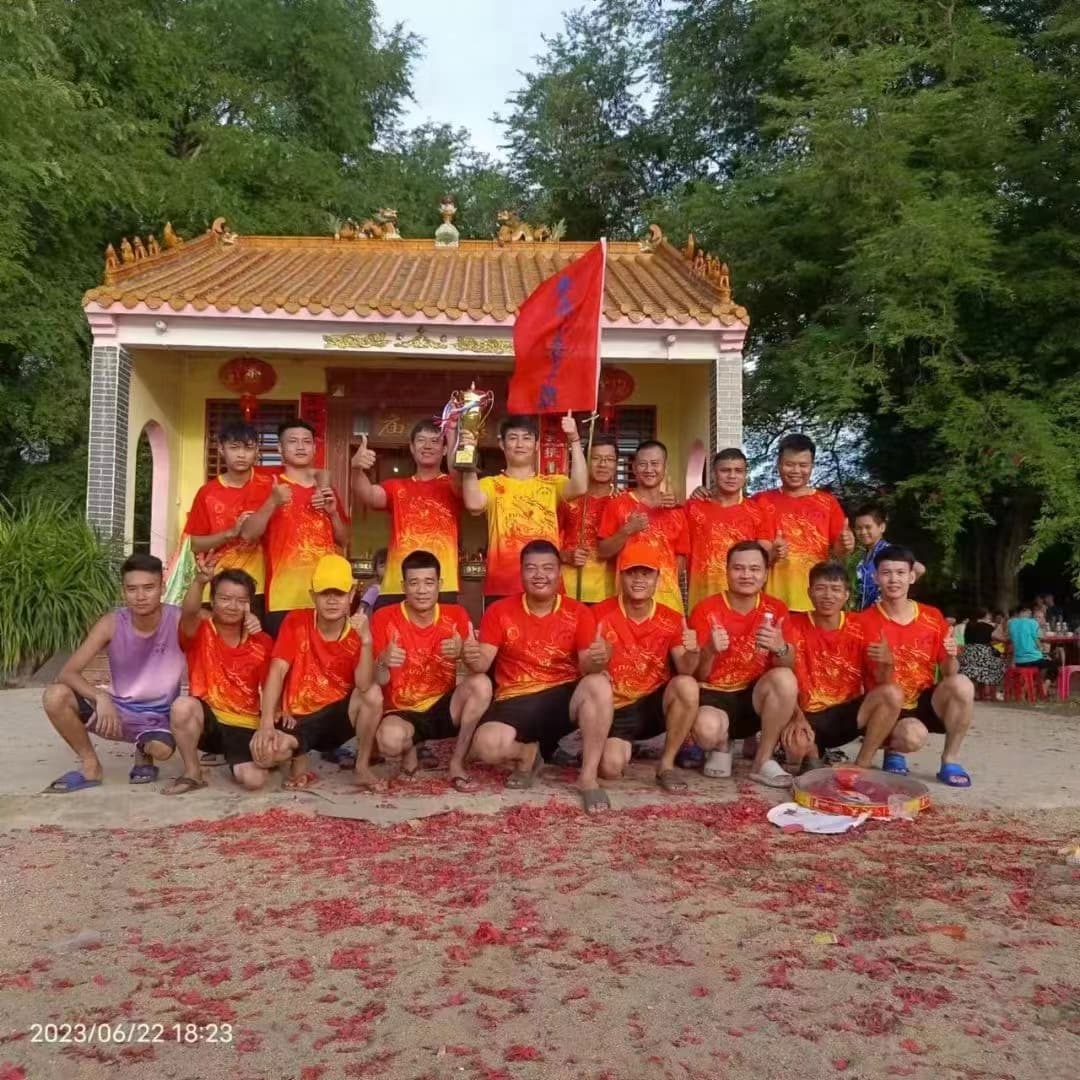
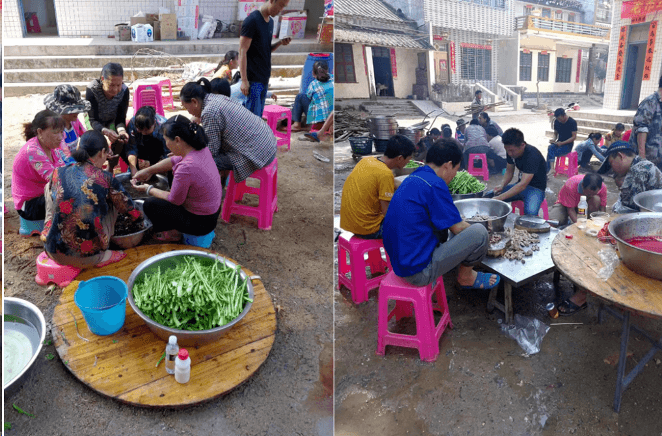
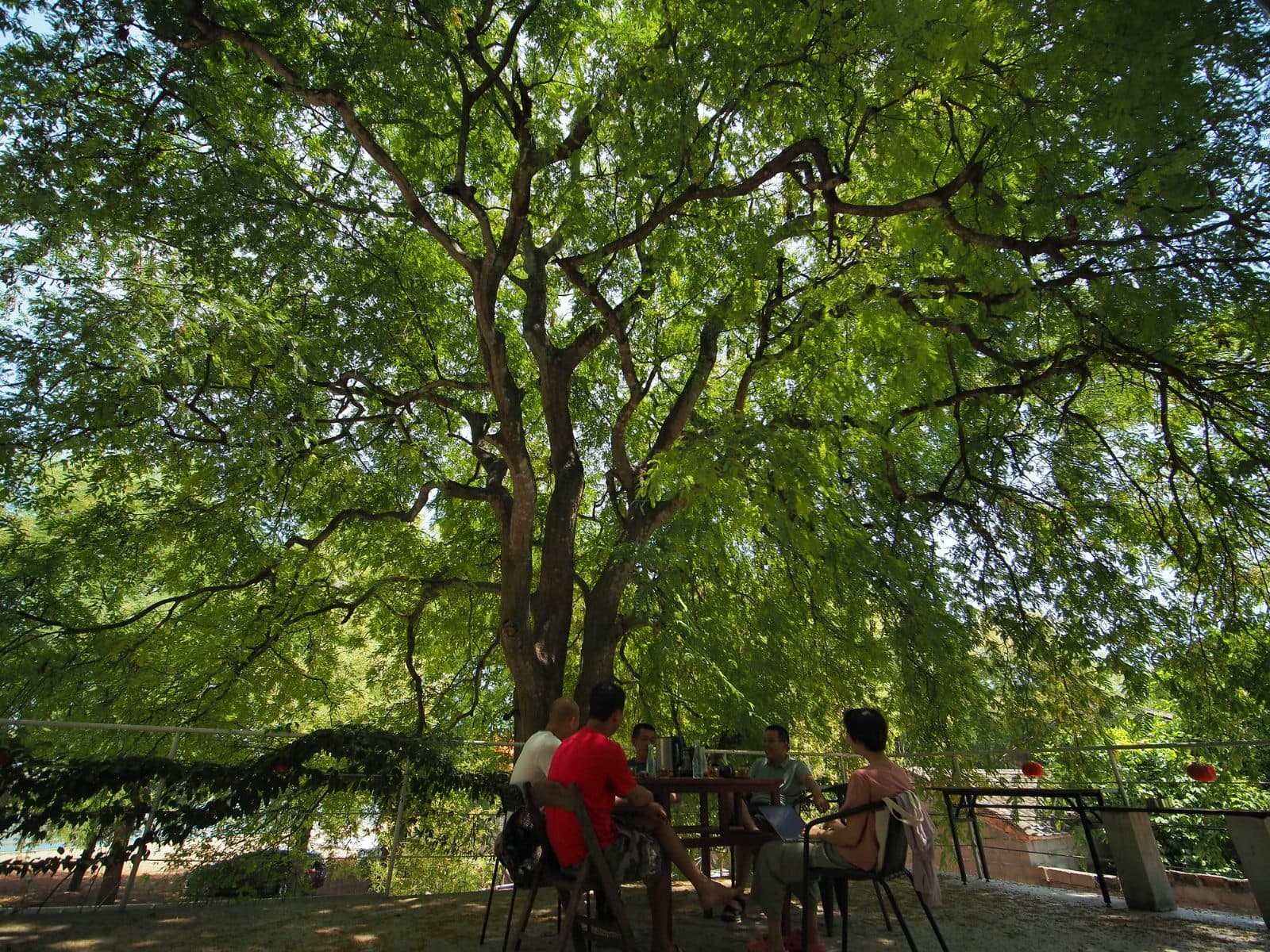
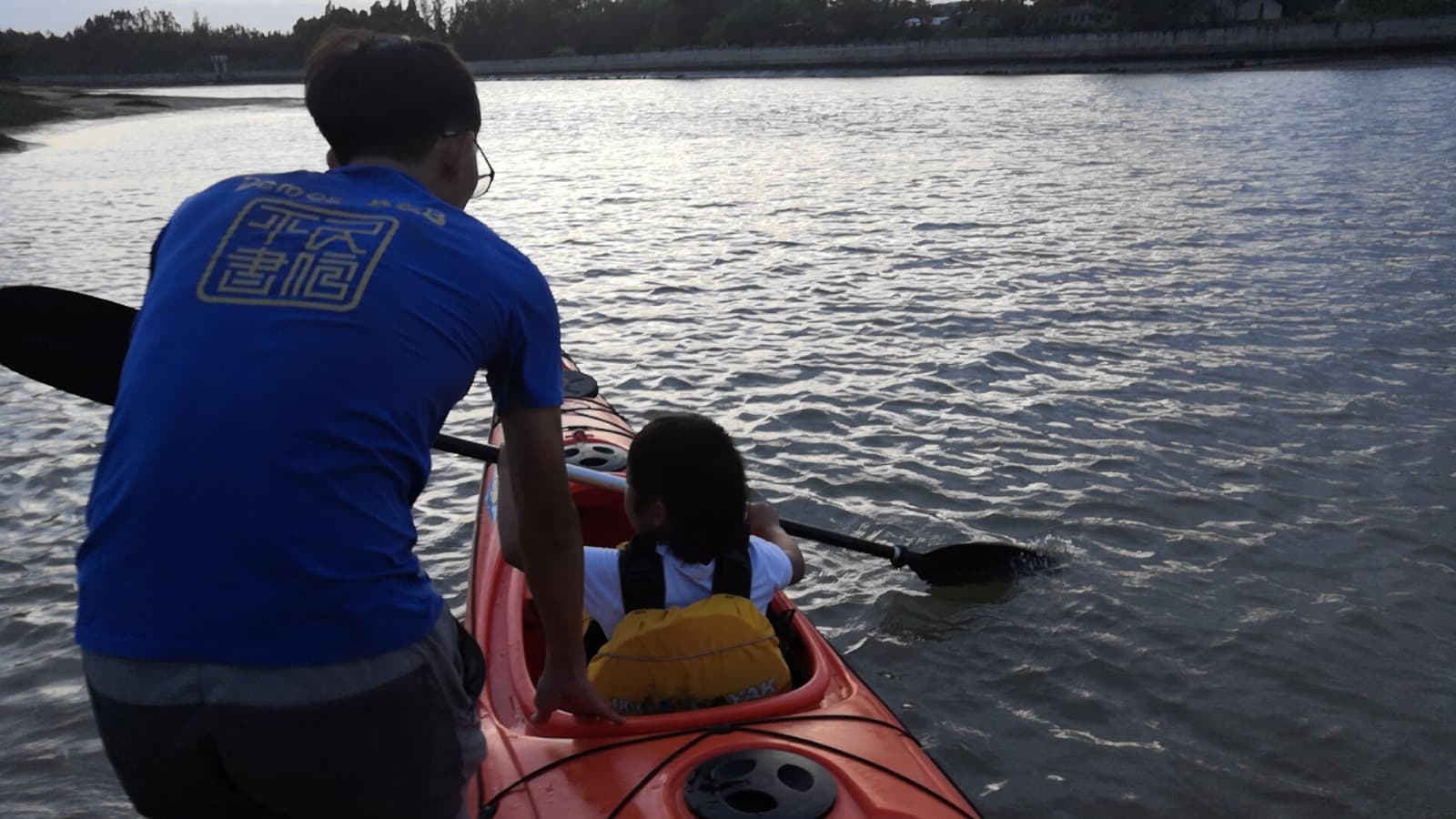
Gratitude, the ancestors of Laoshi left us hundreds of acacia trees, and also gratitude to nature for giving us the Zhu Bi River where fresh and salt water meet, allowing the children of Laoshi to swim, catch fish, and catch shrimp and crabs. The fun, the ...
Our mother river Zhu Bi River and the village tree acacia tree
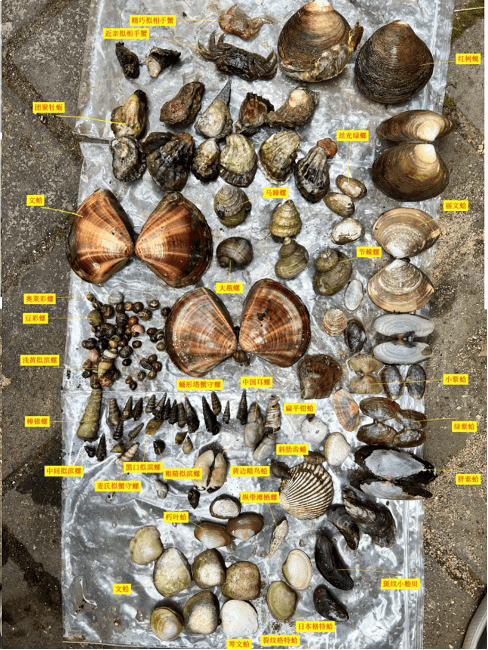
The Zhu Bi River, located at the northern end of Laoshi, is a river mouth habitat where fresh and salt water meet. There are various crabs, with a large number of fiddler crabs, a variety of shellfish, fish and shrimp, and so on. Although it has experienced a period of crazy high-density, high-pollution South American white shrimp farming wave, which has caused serious pollution to it, the once rich benthic organisms, crabs, shellfish, etc. have almost disappeared. Those aquaculture farmers, including Laoshi residents, went bankrupt, owed debts, and ran away... The fish ponds also fell into a state of a large number of idle, gradually abandoned and dilapidated. The stagnation of shrimp farming in recent years has now restored the natural vitality of the Zhu Bi River estuary, and the fiddler crabs have returned
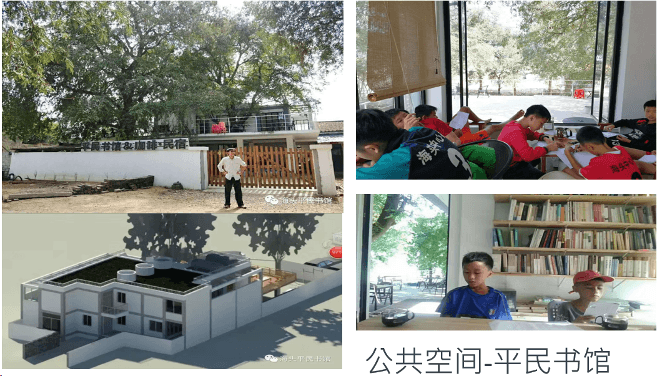
Our public space - The People's Library
The People's Library was founded in January 2017 and is located in Laoshi Village, Haitou Town, Danzhou City, Hainan Province, at the confluence of the river and the sea, facing the beautiful Zhu Bi River. The library has 2 floors, with a courtyard, living room, study, homestay, and viewing platform. There are two dense ancient acacia trees growing in the library building. The founder is Tan Xiyun, the local village head. Out of the motivation to break through barriers and establish connections, out of concern for social education and culture, Tan Xiyun returned to his hometown and established the library to serve the local community. The People's Library actively integrates into the local community and actively participates in public affairs in rural communities, including education, environment, culture, livelihood, etc. It is similar to a 'clinic' that can 'treat' people, 'treat' society, and 'treat' the natural environment.